Recycling
kmG has a commitment to find environmentally efficient methods when dealing with all waste management matters.
kmG has a commitment to find environmentally efficient methods when dealing with all waste management matters.

kmG Follows Environmental Quality Standards
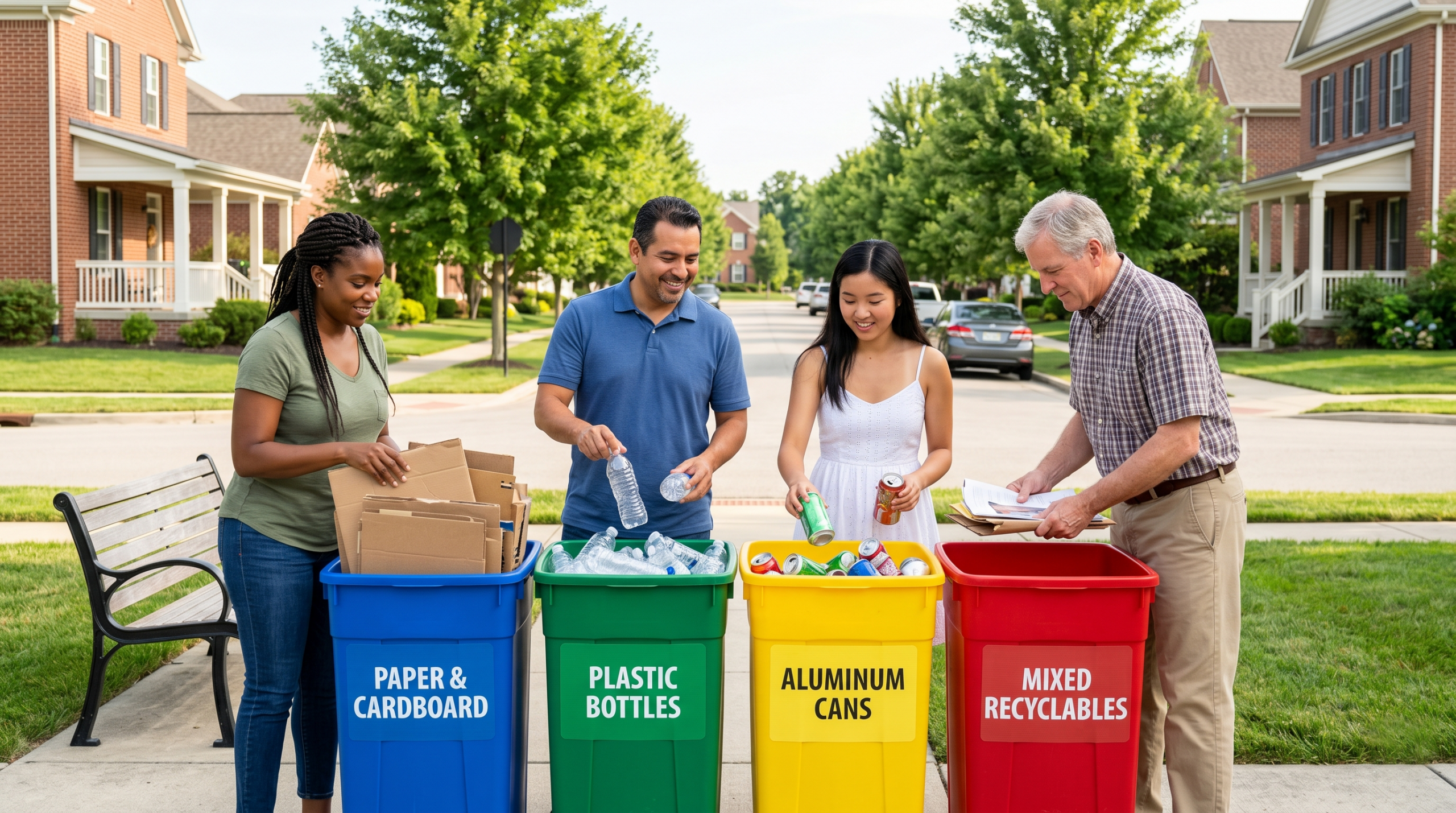
The DMV has mandatory source separation policies. Source separated recycling is separating materials by type at the point of discard so they can be recycled.
The latest Department of Environmental Quality reporting indicates that Virginia has a recycling rate of 42.5%, Maryland 43.5%, and Washington D.C. comes in at 16%.
Our green principals include Reducing, Reusing, and Recycling.
Recycling and waste reduction help reduce greenhouse gas emissions, conserve energy and natural resources, create jobs and economic development opportunities. Most importantly recycling protects our environment and quality of life. Recycling centers properly utilize recyclable materials so that they can eliminate the use of our natural resources, by reusing them or manufacturing them into various sources of energy. Recycling one ton of paper saves the equivalent of 17 trees and 7,000 gallons of water.
Reduce
Waste prevention or source reduction means consuming and throwing away less. Source reduction prevents the generation of waste and is the most preferred method of waste reduction – a critical step towards protecting the environment.
Source reduction means consuming and throwing away less. It includes:
Reuse
Reuse means finding ways to put existing material back to their intended utility. Good examples are plastic grocery bags, buying from thrift stores or refilling bottles.
Reusing products when possible is better than recycling because the item does not need to be reprocessed before it can be utilized again.
Recycling
Recycling turns materials that would otherwise become waste into valuable resources. The process generates a host of environmental, financial, and social benefits. For example, recycling of aluminum cans saves 95% of the energy required to make the same amount of aluminum from raw materials. For each recycled can, there is enough energy to run a television or computer for three hours.
Did you know?