If you’re renting an open top dumpster in DC, Maryland, or Virginia, you can dispose of most household junk, construction debris, and yard waste. It’s important to note that these guidelines apply specifically to open top dumpsters, also called roll-off dumpsters, used for cleanouts, remodeling projects, and construction jobs, not standard front-load or rear-load commercial trash containers. Understanding the difference can help you avoid contamination fees, rejected loads, and unnecessary confusion during your project.
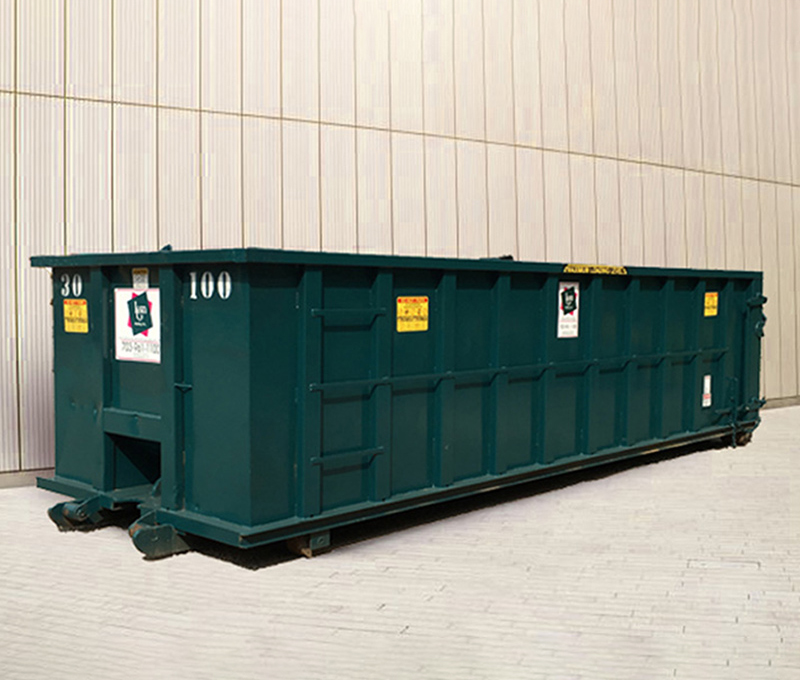
Open Top Dumpsters vs. Front-Load & Rear-Load Containers
Many people use the term “dumpster” to describe any waste container, but there is an important distinction.
Open Top Dumpsters Are Designed For:
- Construction debris
- Furniture and bulky items
- Home cleanouts
- Remodeling materials
- Roofing debris
- Yard waste
Front-Load and Rear-Load Dumpsters Are Designed For:
- Everyday commercial trash
- Routine business waste
- Bagged garbage
- Ongoing waste collection
Bulky items, construction debris, furniture, and renovation materials should not be placed in standard front-load or rear-load containers unless specifically approved by your waste provider.
What You CAN Put in an Open Top Dumpster
Most open top dumpster rentals are designed for non-hazardous waste. Here is what is typically allowed:
Household Junk
- Furniture, including couches, tables, and chairs
- Mattresses and box springs
- Clothing and general clutter
- Toys, boxes, and household trash
Construction & Remodeling Debris
- Drywall
- Wood and lumber
- Flooring materials
- Cabinets and countertops
- Roofing shingles in limited quantities
- Siding and insulation
Yard Waste
- Branches
- Leaves
- Brush
- Small tree limbs
- Grass and landscaping debris
In suburban Maryland and Northern Virginia, yard waste is commonly accepted in open top dumpsters. However, some counties may prefer separate yard waste disposal depending on the volume.
What You CANNOT Put in an Open Top Dumpster (Restricted Items)
Open top dumpster companies across DC, Maryland, and Virginia follow strict environmental regulations. The following items are prohibited:
Hazardous Materials (Strictly Banned)
- Paints
- Stains
- Solvents
- Chemicals and cleaning agents
- Motor oil
- Gasoline
- Propane tanks
- Pesticides
- Fertilizers
Electronics (E-Waste Restrictions)
- TVs and monitors
- Computers and laptops
- Printers and accessories
Appliances (Special Handling Required)
- Refrigerators
- Air conditioners
- Freezers
These items often contain refrigerants and require specialized disposal.
Tires & Batteries
- Car tires
- Truck tires
- Car batteries
- Lithium batteries
Many landfills charge additional fees or prohibit these materials entirely.
Medical & Biohazard Waste
- Needles and sharps
- Pharmaceuticals
- Medical waste
- Contaminated materials
DMV-Specific Open Top Dumpster Rules (2026 Updates)
Regulations vary slightly throughout the DMV region.
Washington, DC
- Strict hazardous waste enforcement
- Street placement often requires permits
- Illegal dumping fines can exceed $2,000
Maryland
- Counties such as Montgomery and Prince George’s enforce landfill separation requirements
- Electronics recycling is mandatory in many jurisdictions
Virginia
- Northern Virginia landfills often require sorting of certain materials
- Heavy materials such as concrete and dirt may require dedicated dumpsters
2026 Trend: Many jurisdictions continue increasing restrictions on electronics and hazardous waste due to environmental concerns and landfill regulations.
Real Example: What Happens If You Throw the Wrong Items Away?
A contractor in Northern Virginia placed paint cans and batteries inside a 20-yard open top dumpster.
Result:
- Load rejected at landfill
- Additional sorting fee of $150–$300
- Pickup delayed by 2–3 days
Takeaway: Improper disposal can cost both time and money. When in doubt, ask before loading.
How to Know If Something Is Allowed
Before tossing anything into your open top dumpster, ask yourself:
- Is it hazardous or flammable?
- Does it contain chemicals or liquids?
- Is it an electronic device?
- Does it require special disposal (appliance, tire, battery)
If you answered yes to any of these questions, do not place the item in the dumpster until you verify the disposal requirements.
Pro Tips from kmG Hauling
“One of the most common issues we see is customers unknowingly throwing prohibited items into open top dumpsters. This leads to landfill rejections and extra charges. When in doubt, always ask before loading.”
Best Practices
- Separate hazardous items ahead of time
- Request a restricted-item list from your provider
- Plan ahead for electronics recycling
- Communicate special disposal needs before delivery
Common Mistakes to Avoid
- Throwing away paint or chemicals
- Mixing heavy materials with general debris
- Overloading above the fill line
- Ignoring local disposal regulations
- Assuming bulky items can go into front-load or rear-load commercial containers
Pros & Cons of Using an Open Top Dumpster
Pros
- Handles large volumes of waste
- Ideal for construction and cleanout projects
- Convenient and efficient
- Cost-effective when used properly
Cons
- Strict regulations on prohibited materials
- Additional fees for non-compliant loads
- Requires planning for specialty waste disposal
FAQ: Open Top Dumpster Rules in DC, Maryland & Virginia
Can I throw paint in an open top dumpster?
No. Paint is considered hazardous waste and must be disposed of through an approved recycling or hazardous waste program.
Are mattresses allowed in open top dumpsters?
Yes, in most cases. However, some landfills charge additional disposal fees. Mattresses should not be placed in standard front-load or rear-load commercial dumpsters unless specifically approved.
Can I put a TV or electronics in an open top dumpster?
No. Electronics are restricted in many DMV jurisdictions and typically require separate recycling.
What happens if I put prohibited items in an open top dumpster?
The landfill may reject the load, resulting in additional fees, delays, and possible disposal penalties.
Can I throw away appliances like refrigerators?
Not in standard open top dumpsters. Refrigerated appliances require specialized disposal because they contain refrigerants.
Who should I contact if I’m unsure about an item?
Reach out directly to kmG Hauling before loading your dumpster. A quick phone call can help you avoid unnecessary fees and delays.
Get Help Before You Load Your Open Top Dumpster
Avoid costly mistakes and project delays by confirming what is allowed before your project begins.
Whether you’re planning a home cleanout, renovation, roofing project, or construction job, kmG Hauling can help you choose the right open top dumpster, stay compliant with local regulations, and keep your project moving efficiently.
Request a dumpster quote today and get expert guidance before you load.